
Picture this: You walk into your living room after a long day. The overhead fluorescent glare is harsh, casting stark shadows and making the space feel sterile. It’s functional, yes, but it certainly doesn’t invite relaxation or connection. Now, imagine stepping into a space where warm, layered light embraces you, highlighting architectural features, creating intimate zones, and fostering a sense of calm and sophistication. This isn’t magic; it’s the profound impact of understanding how to update your home’s lighting for better ambiance. For too long, lighting has been an afterthought, a purely utilitarian element. Yet, it’s arguably the most powerful, yet often overlooked, tool in interior design, capable of completely transforming the mood and functionality of any room.
Beyond the Bulb: Deconstructing Lighting Layers
When we talk about improving home ambiance, it’s crucial to move beyond the singular idea of a ceiling fixture. Effective lighting design is built upon layers, each serving a distinct purpose. This approach ensures flexibility and allows you to adapt the mood to suit the time of day, the activity, or simply your personal preference. Understanding these foundational layers is the first step in mastering how to update your home’s lighting for better ambiance.
Ambient Lighting: This is the foundational, general illumination that provides overall brightness to a room. Think soft, diffused light that allows you to navigate safely and comfortably. While overhead fixtures can serve this purpose, they often need refinement. Swapping harsh bulbs for warmer tones or incorporating dimmer switches can make a significant difference.
Task Lighting: This is focused light for specific activities, such as reading, cooking, or working. It’s about precision and preventing eye strain. Under-cabinet lights in the kitchen, a well-placed desk lamp, or a reading arm over your favorite armchair are prime examples.
Accent Lighting: This layer is where the magic truly happens for ambiance. Accent lighting is used to highlight focal points – artwork, architectural details, plants, or even a textured wall. It adds depth, drama, and visual interest, guiding the eye and creating a more dynamic environment. Wall sconces, track lighting aimed strategically, or spotlights are key players here.
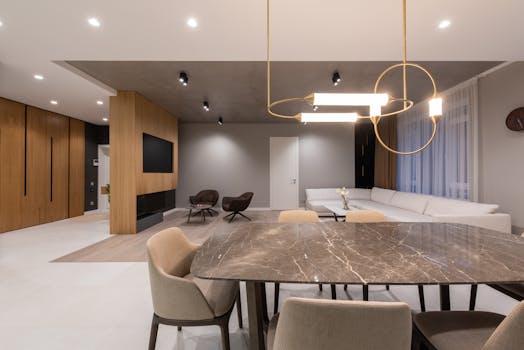
Decorative Lighting: This category encompasses fixtures that are as much about aesthetics as they are about illumination. Chandeliers, pendant lights, and stylish table lamps can serve as sculptural elements, contributing to the overall design narrative.
The Spectrum of Warmth: Decoding Color Temperature
One of the most impactful, yet often underestimated, aspects of how to update your home’s lighting for better ambiance is understanding color temperature, measured in Kelvin (K). This isn’t about the color of the light itself (like blue or red), but rather its warmth or coolness.
Warm White (2700K – 3000K): This is akin to the soft glow of an incandescent bulb. It’s inviting, cozy, and ideal for living rooms, bedrooms, and dining areas where relaxation and intimacy are paramount. It promotes a sense of calm and comfort.
Cool White (3500K – 4100K): This offers a more neutral, crisp light. It’s often preferred for kitchens and bathrooms where brighter, more functional light is needed for tasks like food preparation or grooming.
Daylight (5000K+): This mimics natural daylight and can be very energizing. While useful in some work environments, it can feel stark and unnatural in living spaces, potentially detracting from ambiance.
My own living room transformation involved switching out older, cooler bulbs for a mix of 2700K and 3000K LEDs. The difference was immediate – a cozy, welcoming atmosphere replaced the previously stark feeling, proving how crucial this detail is.
Strategic Placement: Illuminating Without Overpowering
The placement of your light sources is as critical as the type and temperature. Simply adding more lights won’t necessarily improve ambiance; thoughtful placement is key to mastering how to update your home’s lighting for better ambiance.
Consider the scale of your room. In larger spaces, multiple, smaller light sources can create a more intimate feel than a single, overly bright overhead fixture. In smaller rooms, strategic use of wall sconces or table lamps can make the space feel larger by drawing the eye upwards and outwards.
Think about natural light flow. How does artificial light complement or counteract the natural light at different times of the day? Dimmers are invaluable here, allowing you to adjust intensity seamlessly. Layering light also means avoiding direct, harsh glare. Aim light at walls or ceilings to bounce it around the room, creating softer, more diffused illumination.
Smart Lighting Solutions: The Modern Approach to Ambiance
The advent of smart lighting technology has opened up a universe of possibilities for those looking to enhance their home’s ambiance. These systems go far beyond simple on/off functionality, offering unprecedented control.
Dimmability: Most smart bulbs offer full-range dimming, allowing you to precisely control the intensity of light in any room.
Color Changing: For the ultimate in ambiance customization, color-changing smart bulbs allow you to shift from warm whites for cozy evenings to vibrant hues for entertaining, or even mimic the exact color temperature of natural daylight.
Scheduling and Automation: Set lights to turn on gradually in the morning to wake you gently, or to dim automatically as evening approaches, creating a natural transition into a relaxing atmosphere.
Scene Setting: Create pre-programmed “scenes” for different activities – “Movie Night” might dim lights and cast a warm glow, while “Dinner Party” could involve brighter, more focused accent lighting.
Integrating these technologies is a significant step in how to update your home’s lighting for better ambiance, offering a level of control previously unattainable. It allows for dynamic adjustments that can truly sculpt the feel of your home.
Elevating the Everyday: Practical Tips for Immediate Impact
You don’t need a complete overhaul to start seeing improvements. Here are a few actionable tips to begin the journey of transforming your home’s lighting:
Embrace Dimmers: Install dimmer switches on your main overhead lights. This single change provides immense flexibility in controlling brightness and thus, mood.
Introduce Table and Floor Lamps: Strategically place lamps in corners or near seating areas to create pools of warm, inviting light that break up the uniformity of overhead lighting.
Focus on Bulb Choice: Replace harsh, cool-toned bulbs with warmer LEDs (2700K-3000K) in your primary living spaces. It’s a simple swap with a significant aesthetic payoff.
* Highlight Key Features: Use a spotlight or a small, directional lamp to draw attention to artwork, a favorite plant, or an interesting architectural detail.
Wrapping Up
Ultimately, mastering how to update your home’s lighting for better ambiance is about intentionality. It’s about understanding that light is not merely functional; it’s an emotional and aesthetic element that shapes our perception of space and our experience within it. By thoughtfully layering light sources, carefully selecting color temperatures, strategically placing fixtures, and embracing modern smart technologies, you can transform your house from a series of rooms into a curated sanctuary. It’s an investment in comfort, mood, and the overall quality of your home life, a principle that I find consistently proves its worth in creating truly livable and inspiring environments.